
What Is LTC? A Simple Guide to Litecoin
Table of Contents
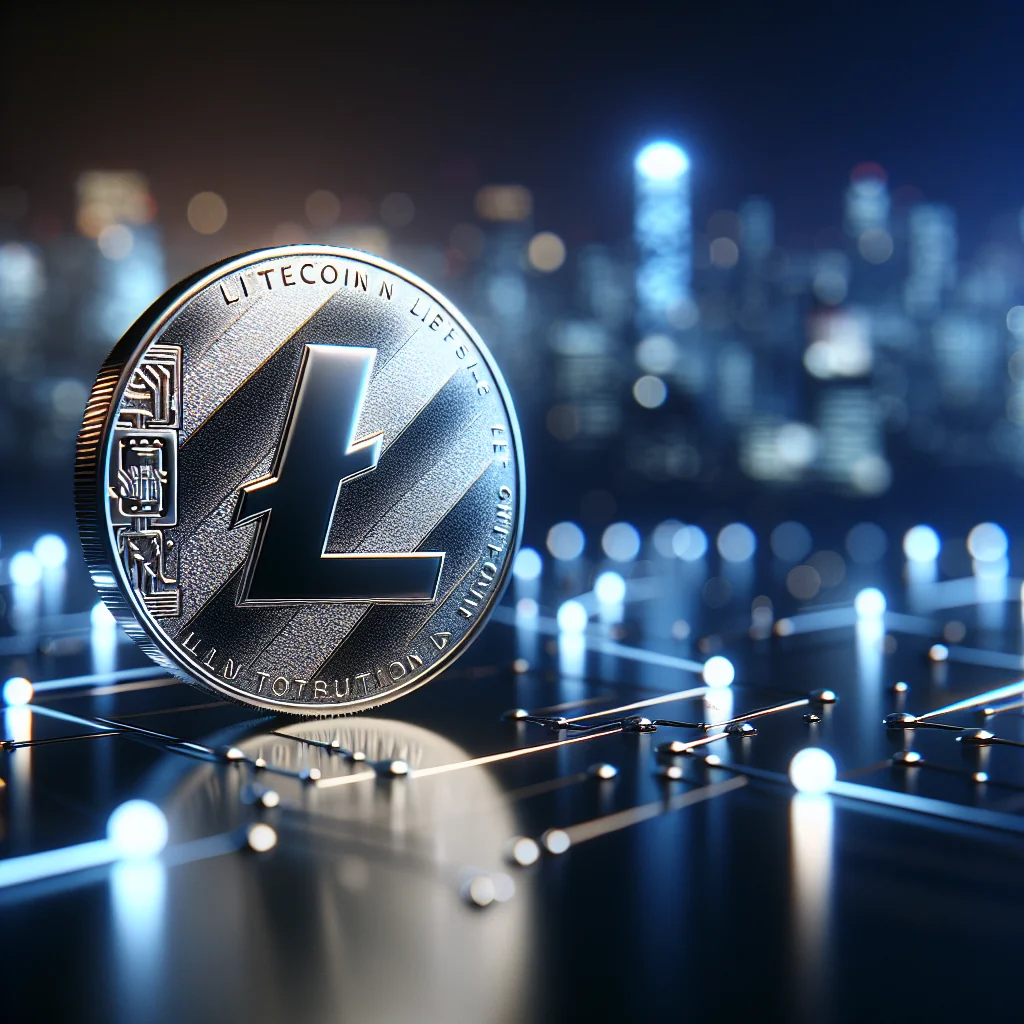
What Is LTC? Litecoin Explained in Simple Terms If you are asking “what is LTC,” you are usually asking about Litecoin, a well-known cryptocurrency. LTC is the...
If you are asking “what is LTC,” you are usually asking about Litecoin, a well-known cryptocurrency. LTC is the ticker symbol for Litecoin, just like BTC is the symbol for Bitcoin. Litecoin is a digital currency that runs on its own blockchain and allows fast, low-cost payments worldwide without banks.
Litecoin is one of the oldest cryptocurrencies still in active use. Many people see Litecoin as a lighter, faster version of Bitcoin, built to handle everyday transactions more easily. To understand what LTC really is, you need to look at how Litecoin started, how it works, and what people use it for today.
What LTC Means: Litecoin in One Sentence
LTC is the code used on exchanges and wallets for Litecoin, a public, peer-to-peer digital currency that lets people send value online quickly and with relatively low fees, without relying on a central authority.
The role of the LTC ticker symbol
The LTC ticker helps markets and users track Litecoin across exchanges, charts, and wallets. When you see LTC in a trading pair, it represents Litecoin units being traded against another asset like USD or BTC.
Litecoin is open-source, which means the code is public and anyone can review or build on it. The network is run by many independent computers, called nodes, around the world that follow the same rules, called a protocol.
How Litecoin Started and Why It Was Created
Litecoin was launched in 2011 by Charlie Lee, a former Google engineer. Lee based Litecoin on the Bitcoin code but changed some key settings to improve speed and access.
The early days of Litecoin focused on making crypto more reachable for regular users and miners. By adjusting block time and mining rules, Litecoin aimed to spread coin creation and transaction processing more widely across participants.
From Bitcoin fork to “digital silver” idea
The idea was simple: if Bitcoin is “digital gold,” Litecoin could be “digital silver.” Bitcoin would be better for large, long-term value storage, while Litecoin could be used more easily for smaller, daily payments and quicker transfers.
Litecoin has no central company behind it. The network continues because users, miners, and developers choose to support it and run the software. That makes Litecoin a decentralized system, similar in spirit to Bitcoin.
Core Features That Define What LTC Is
To understand what LTC represents in practice, you need to know its main technical and economic features. These features shape how Litecoin behaves as money and as a network.
Litecoin’s design choices affect speed, cost, and long-term supply. Together, they explain why some people use LTC for payments and others treat it as a scarce digital asset.
Main Litecoin traits at a glance
The list below highlights the key traits that most people mention when they explain Litecoin and LTC.
- Open, public blockchain: Every Litecoin transaction is recorded on a shared ledger that anyone can view. This ledger is stored and updated by many nodes.
- Fixed supply cap: Litecoin has a maximum supply limit. Only a set number of LTC can ever exist, which gives Litecoin a scarce nature similar to Bitcoin.
- Faster block time: New blocks are added to the Litecoin chain more often than on Bitcoin. This leads to quicker average confirmation times for transactions.
- Lower average fees: Litecoin transactions usually cost less than many traditional payment methods, especially for cross-border transfers.
- Proof-of-work mining: Litecoin uses miners to secure the network and process transactions. Miners solve cryptographic puzzles and earn new LTC as a reward.
- Scrypt mining algorithm: Litecoin uses a mining algorithm called Scrypt, which was initially more friendly to regular computers than Bitcoin’s SHA-256.
- Halving schedule: The reward for mining new blocks is cut in half at set intervals. This slows the creation of new LTC over time.
These features together define LTC as a scarce, digital asset that can move quickly across borders. The design choices also affect how miners, developers, and users interact with the network and decide whether to support it long term.
How LTC Transactions Work in Practice
Using LTC means sending and receiving Litecoin between digital addresses. Each address is linked to a private key, which proves ownership of the funds.
Every LTC transfer follows a clear path: creation in a wallet, broadcast to the network, inclusion in a block, and final confirmation. Understanding that path helps you judge how safe a payment is at each stage.
From wallet to blockchain confirmation
When you send LTC, you create a transaction that tells the network which coins you control and where you want to send them. Your wallet signs this transaction with your private key. The network checks that the signature is valid and that you have enough balance before miners include it in a block.
Once miners add your transaction to a block, the transfer is recorded on the blockchain. The more blocks added after that, the harder it becomes to reverse the transaction. Many services accept a payment as final after a few confirmations, which usually takes minutes rather than hours.
What Is LTC Used For Today?
Litecoin has several common uses. Some people use LTC for daily payments, while others hold it as a long-term asset or move funds between exchanges.
Use cases can shift over time as fees, regulations, and supported services change, but most LTC activity still falls into a few clear categories.
Payments, transfers, and trading roles
Many online services and merchants accept Litecoin as a payment option. For users in regions with limited banking access, LTC can be a way to send money across borders faster than many traditional options and with lower fees, especially for smaller amounts.
Traders and investors also use LTC as a liquid crypto asset. LTC is listed on many major exchanges and pairs easily with other coins and stablecoins, so it often serves as a bridge asset when moving value between platforms.
What Is LTC Compared With Bitcoin?
Litecoin is often described as a lighter version of Bitcoin. The two networks share many ideas but differ in speed, fees, and some technical details.
Looking at LTC and BTC side by side can make Litecoin’s role clearer. You can then decide which coin fits which goal in your own use or research.
Side-by-side view of Litecoin and Bitcoin
The short table below gives a simple, high-level comparison between LTC and BTC that reflects common talking points among users.
Litecoin vs. Bitcoin basics
| Feature | Litecoin (LTC) | Bitcoin (BTC) |
|---|---|---|
| Main use case | Faster payments, smaller transfers | Store of value, large transfers |
| Block time | Shorter average block intervals | Longer average block intervals |
| Mining algorithm | Scrypt proof-of-work | SHA-256 proof-of-work |
| Typical fees | Often lower for similar transfers | Can be higher in busy periods |
| Launch year | 2011 | 2009 |
Litecoin aims to process blocks more quickly, which helps reduce average confirmation times. Bitcoin focuses more on long-term security and store-of-value use, with slower blocks but a very large and widely distributed network. Many people hold both BTC and LTC and use each coin for different goals.
How LTC Gains Value: Supply, Demand, and Perception
The price of LTC is set by open markets. Buyers and sellers on exchanges decide what they are willing to pay or accept at any moment.
Litecoin’s market value changes as people react to news, technology changes, and wider financial trends. Supply rules are fixed, but demand can shift quickly.
Market forces behind the LTC price
Litecoin has a fixed maximum supply, so new coins are created at a known rate. Over time, halving events reduce the reward that miners receive, which slows new supply entering the market and can affect how scarce traders feel LTC has become.
Demand for LTC can rise or fall based on many factors. These include general crypto market mood, use in payments, exchange listings, news about the project, and how investors see Litecoin’s role next to Bitcoin and other coins.
Risks and Limits You Should Know About LTC
Like every cryptocurrency, LTC carries real risks. Before using or holding Litecoin, you should understand the main ones.
These risks do not mean you must avoid Litecoin, but they do mean you should size any exposure carefully and stay informed.
Volatility, security, and competition risks
The price of LTC can change quickly. Crypto markets are volatile, and Litecoin’s value can move up or down in short periods. This makes LTC risky for short-term speculation and even for some savings plans that cannot handle large swings.
There are also technical and security risks. If you lose your private keys or recovery phrase, you lose access to your LTC. If you use unsafe exchanges or wallets, you can face hacks or fraud. Litecoin also faces competition from many other payment-focused cryptocurrencies, which may affect long-term demand.
How to Interact Safely With LTC as a Beginner
If you are new and just learned what LTC is, you may want to try using a small amount. Before you do, focus on basic security and simple tools that you can understand.
A clear, step-by-step approach helps reduce common mistakes such as losing a backup phrase or sending coins to the wrong address.
Step-by-step starting checklist for LTC
The following ordered steps give a simple path for a beginner who wants to handle LTC more safely.
- Choose a trusted Litecoin wallet from a source with a good track record.
- Write down your recovery phrase on paper and store it offline in a safe place.
- Turn on two-factor authentication on any exchange account you decide to use.
- Start with a very small amount of LTC and send a test transaction to your wallet.
- Confirm that you can receive and send LTC before moving larger amounts.
Start by choosing a reputable wallet that supports Litecoin, such as a well-known mobile or hardware wallet. Always back up your recovery phrase and store it offline, where others cannot reach it. If you buy LTC on an exchange, use strong, unique passwords and move larger amounts to a personal wallet you control.
Where LTC Fits in the Wider Crypto Landscape
Litecoin is no longer the only “fast payment” cryptocurrency, but it still has a long history and broad support. Many payment processors and ATM networks that support Bitcoin also support Litecoin.
Over time, Litecoin has shifted from being seen only as a payment coin toward a mix of roles, including serving as a live test network for some new ideas.
Payment network and testing ground role
Developers have used Litecoin as a testing ground for some upgrades before they reach Bitcoin. For example, Litecoin adopted SegWit and the Lightning Network earlier, helping show how these features work in practice for real users and real funds.
Because of that, LTC plays a hybrid role. Litecoin is both a live payment network and a kind of experimental space for ideas that may later appear on Bitcoin or other chains. This mix of stability and change is part of why LTC remains relevant.
Key Takeaways: What Is LTC in Simple Terms?
LTC is the symbol for Litecoin, a long-running cryptocurrency built for fast, low-fee digital payments on a public blockchain. Litecoin is based on Bitcoin’s design but uses faster blocks and a different mining algorithm.
Understanding LTC means seeing it as both a payment tool and a scarce asset. How you use it depends on your goals, risk tolerance, and technical comfort.
LTC in plain language for quick recall
People use LTC for online payments, cross-border transfers, trading, and long-term holding. The network is decentralized, has a fixed supply, and is secured by proof-of-work mining, which rewards miners who help process transactions.
Litecoin also carries real risks, including price swings and security issues if you do not protect your keys. If you choose to use or hold LTC, start small, learn how wallets work, follow a clear safety checklist, and treat LTC as one part of a wider financial plan rather than your only asset.